PJM's Capacity Gap Widens as Data Center Load Outpaces Supply
PJM's capacity auction fell 6,831 MW short of its reliability target. New large-load rules and a backstop procurement move power risk into underwriting.


PJM's capacity auction fell 6,831 MW short of its reliability target. New large-load rules and a backstop procurement move power risk into underwriting.

PJM asked federal regulators on August 17, 2026 to require new data centers to secure their own generation or be curtailed first during shortages. What the filing signals for building owners.
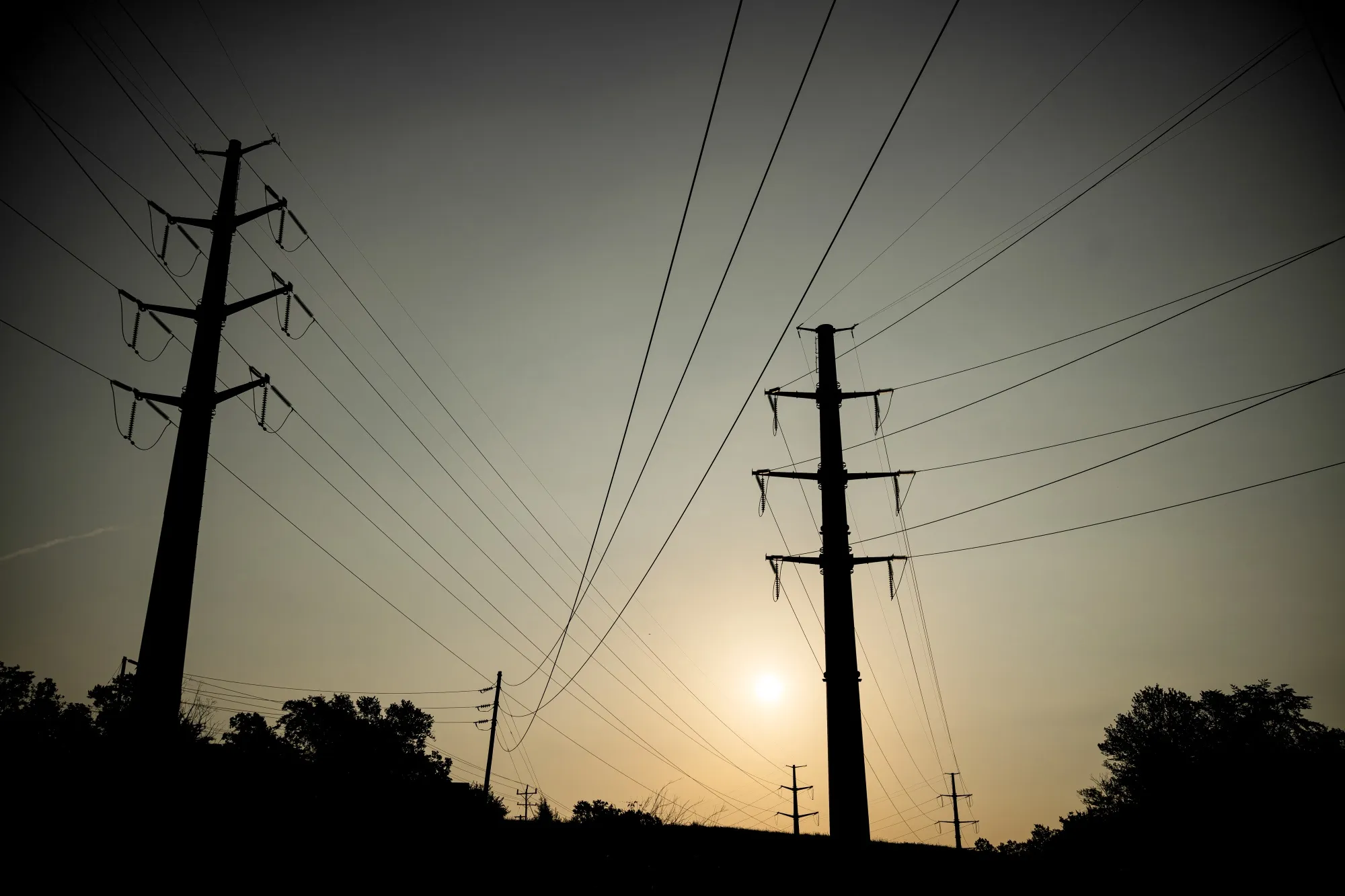
PJM forecast a record 166,304 MW as DOE emergency orders authorized data center curtailment. What the first federal large-load curtailment precedent means for NOI, leases, and site underwriting.
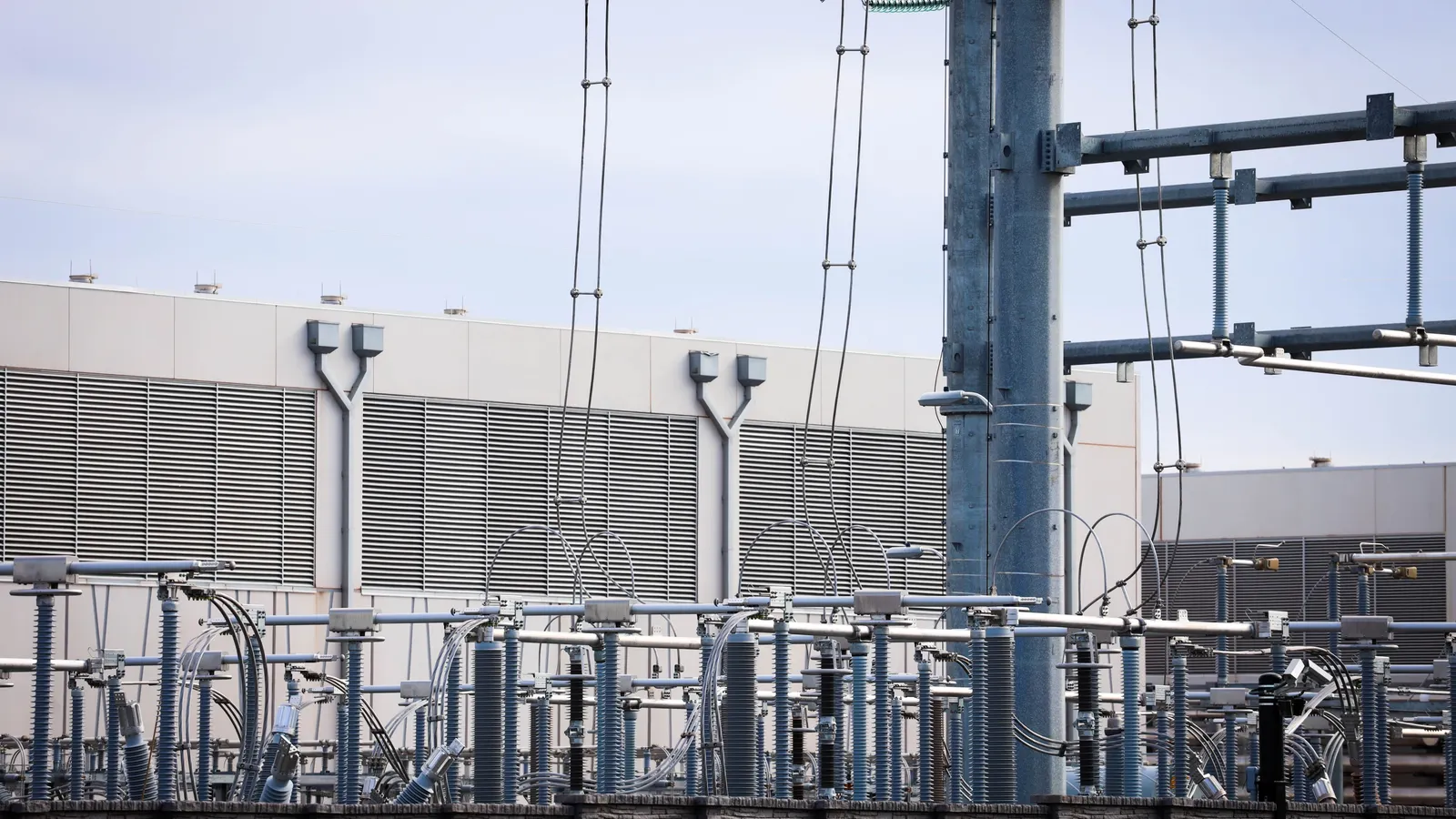
As PJM members vote on Reliability Backstop Procurement and Connect and Manage, the real question is who funds the power systems behind AI growth. An interview with NRDC and a commercial real estate read on the cost-allocation fight.

The NextEra‑Dominion Merger shifts real pricing power to equipment access. With multi‑year transformer lead times and PJM capacity caps expiring, behind‑the‑meter strategy becomes an economic necessity, and what owners should model now.
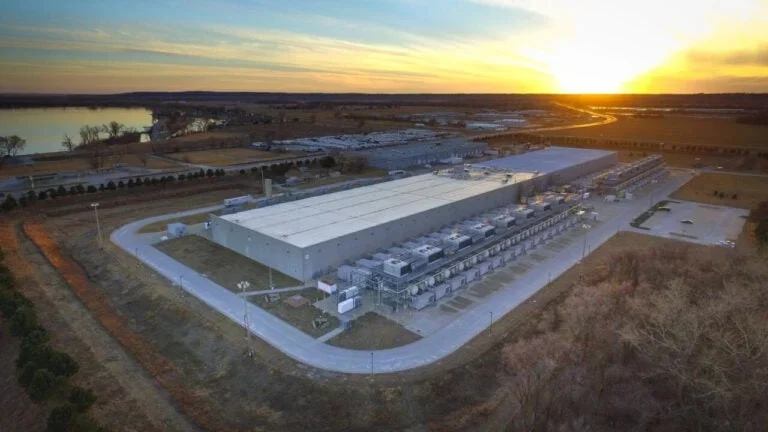
Google will source 100 MW of PJM capacity from a Voltus-operated virtual power plant using batteries, thermostats, and flexible loads—paying participating homes and businesses and offering developers an alternative to the interconnection queue.